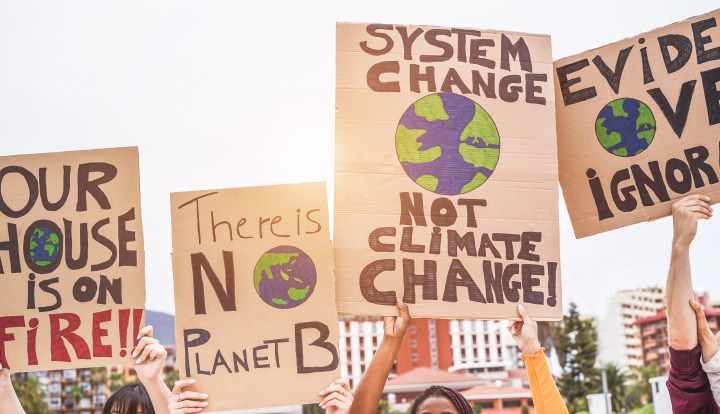
Anny Wang ’26
In the wake of recent hurricanes and hailstorms, it feels as if the world has been turned on its axis. Trees are breaking through rooftops, access to electricity is being cut off for weeks, and human lives are at risk. “Climate change is just relentlessly wreaking havoc on people everywhere,” wrote Rebecca Hersher. According to the Institute for Economics and Peace, the number of natural disasters has increased from around ten per year in 1990 to around 400 in 2019, with a drastic change in growth from the 2000s. These natural disasters are more than just statistics— each one of them represents lost lives and shattered homes. The casualties that will come about due to climate change will only increase in the coming years, meriting urgent action from every human on Earth.
The greenhouse effect is triggering these escalating disasters. When we burn fossil fuels, hydrocarbons such as CO2 and methane e are released into the air, thus triggering the Greenhouse Effect and heating the planet. Understanding the cause of global warming is important because we can be more cautious with the products we support and aware of the harm we bring to our planet.
When global warming becomes a trendy word, people tend to overlook the effect of the problem. We also tend to feel alienated from the crisis, because we wouldn’t associate a box we didn’t recycle with a polar bear losing its home. However, it is essential to be informed of the changes that global warming brings to help us trigger responsibility. On a macro level, sea ice is melting, sea levels are rising, and heat waves are intensifying. Global warming creates disasters that destroy houses, families, and relationships. When the ocean becomes abnormally hot, it helps hurricanes grow. Furthermore, wildfires that seriously harm our ecosystem and the air we breathe are often ignited and fed by heat and drought.
Earth is also not just home to human beings. Millions of animals are facing distinction because of the loss of habitat and ecosystem. Not only does global warming pose a threat to animals living in especially vulnerable regions like the Global South or Arctic, but it impacts entire ecosystems. When more carbon dioxide is released into the air, plants grow in unhealthy environments. These harmful food supplies are then consumed by animals and are passed down to others when said animals are eaten. The sky, soil, and water where we coexist with other organisms are polluted.
As NASA stated in their research on Global Warming, “Global Climate is not a future problem.”. The changes that Global Warming brings to our society are penetrating people of all regions (especially in the global South), and they are irreversible. It is easy not to care, but it takes faith and courage to care. To save the earth is a broad topic, but that does not mean that individual action cannot shift it. We can all support a greener community by simply recycling our Amazon boxes and divesting from fossil fuel products to discourage their usage — don’t wait until it is too late to make a change.


Leave a Reply